Casement, Double-Hung, or Sliding? Choosing the Right Window Style for Each Room
 Michael Myers
- Windows
- October 13, 2026
The right window style depends on how you use each room. Casement windows are best where you want maximum airflow and a tight seal, like above a kitchen sink. Double-hung windows suit bedrooms and traditional living spaces. Sliding windows fit wide openings that face a patio or walkway. Picture and bay windows make sense wherever the view matters most. Below, we cover how each style works and then go room by room, so you can plan a window replacement for your Carmel, Fishers or Westfield home that fits the way your family lives.
The Main Window Styles at a Glance
Here are the main window styles Myers Exteriors installs:
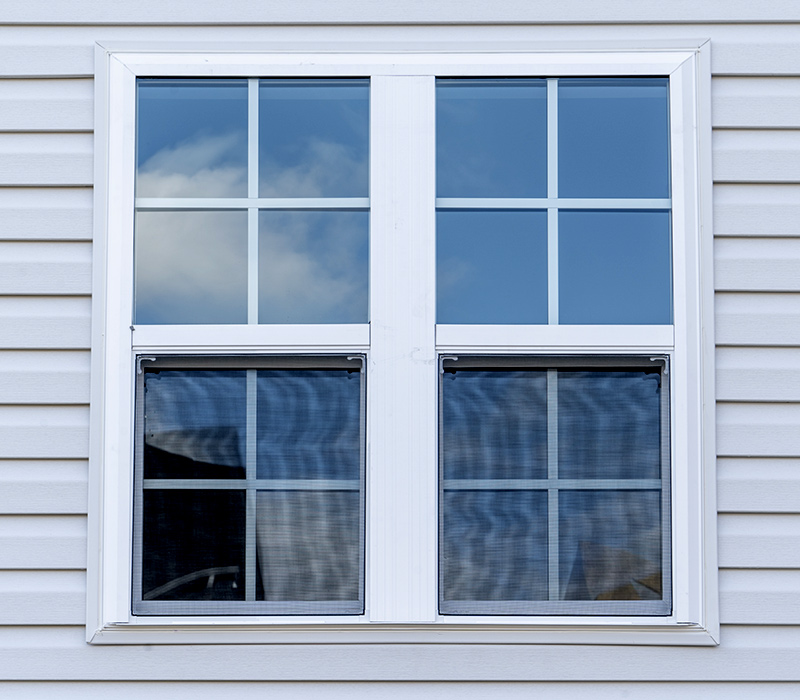
- Casement: Hinged on the side, it swings outward with a turn of the handle. It opens fully for maximum ventilation and seals tightly when closed.
- Double-hung: Two sashes that slide up and down. Both tilt inward so you can clean them from inside.
- Sliding: Sashes that glide side to side on a track. Nothing swings outward, and many models have lift-out sashes.
- Picture: A fixed window that does not open. It gives you the widest, clearest view and has no moving parts to wear out.
- Bay: Three windows that project outward from the wall. Usually it’s a large fixed center window with an operable window on each side.
Casement Windows: Best for Airflow and Hard-to-Reach Spots
A casement sash swings fully open, so the entire opening lets in fresh air. Because the open sash catches breezes moving along the side of your house, placement matters. A casement on the side of your home that faces the usual wind direction can move a lot of air, even when it’s only partly open. When it’s closed, the sash presses tightly against the frame, which helps block drafts on windy sides of the house.
Casement windows are a favorite above the kitchen sink, where leaning over the counter to lift a heavy sash is awkward. A turn of the handle is much easier. They also work well in living rooms, home offices and bedrooms.
The one drawback is that the sash swings outward. Avoid casements next to decks, patios or walkways, where an open window could get in the way.
Double-Hung Windows: The Classic, Flexible Choice
Double-hung windows are the most popular style among Indiana homeowners. Both sashes move, so you can open the top, the bottom, or both to control airflow. In kids’ rooms, opening only the top sash lets in fresh air while keeping the lower opening closed.
Both sashes also tilt inward for cleaning, which is a big help on second-floor windows. Their traditional look fits most home styles. Because they’re so common, double-hung windows are one of the most competitively priced options available.
Sliding Windows: Wide Openings Without the Swing
Sliding windows move horizontally on a track, so nothing sticks out past the wall of your home. That makes them a smart choice for rooms that face a patio, deck, walkway or landscaping. They give you a wide view similar to a picture window, with the option to open one side for air.
Sliding windows have fewer mechanical parts than most other styles, which makes them easier to maintain over time. Many models also have lift-out sashes for easy cleaning. They’re easier to open than a double-hung window, too, since you slide the sash sideways instead of lifting it.
Picture and Bay Windows: When the View Comes First
Picture windows don’t open, so they’re best where you want light and a view but don’t need airflow. Think living rooms, stair landings and hallways. With no operable hardware, they’re also one of the most energy-efficient window options. Many homeowners put casement or double-hung windows on either side of a picture window to get both the view and ventilation.
Bay windows project outward from the house, usually at an angle between 15 and 45 degrees. A typical bay has a large fixed center window with operable double-hung or casement windows on each side. Bays add light and a sense of extra space to living rooms, dining rooms and primary bedrooms, and many homeowners add a built-in window seat.
A Room-by-Room Guide
- Kitchen: A casement above the sink is easiest to reach. A sliding window works well over a long counter or on a wall that faces a patio.
- Living room: A picture or bay window makes the most of the view. Add casement or double-hung windows beside it for airflow.
- Bedrooms: Double-hung and casement windows both work well. Every bedroom needs at least one window large enough for emergency escape (called egress). Because casements open fully, they can meet that requirement in a smaller opening than a double-hung window.
- Bathrooms: Sliding or casement windows let steam out. Placing them higher on the wall adds privacy.
- Basement: Sliding windows fit the short, wide openings common in basements. If a basement room is used as a bedroom, it needs an egress window too.
- Stairwells and hallways: Picture windows bring in light where you rarely need to open a window.
Other Things to Consider Before You Choose
- Material: Myers Exteriors installs windows in vinyl, fiberglass and wood. For vinyl, we install PerfeXion by Norandex, which is durable, cost-effective and needs little maintenance. For fiberglass, we install Pella Impervia, which expands and contracts at nearly the same rate as glass, so it holds a tight seal through Indiana’s temperature swings. For wood, we install Pella Lifestyle, the most popular choice, and Pella Reserve, our high-end option.
- Ease of use: If lifting a sash is hard for anyone in your home, casement or sliding windows are easier to operate.
- Curb appeal: Mixing styles is common. Keep frame colors and grid patterns consistent on the side of the house that faces the street, so your home looks cohesive.
If you’re still deciding whether your current windows need replacing at all, start with our guide to the signs it’s time for new windows.
Frequently Asked Questions
What is the most popular window style?
Double-hung windows are the most popular style among Indiana homeowners. They’re versatile, easy to clean and one of the most competitively priced options.
Are casement windows more energy efficient than double-hung windows?
Casement windows seal tightly because the sash presses against the frame when closed, which helps reduce drafts. Still, the glass package, the frame material and the quality of the installation make a big difference no matter which style you choose.
Can I mix window styles in the same house?
Yes. Many homes use different styles in different rooms, such as a casement over the kitchen sink and double-hung windows in the bedrooms. Keep frame colors and grid patterns consistent so the outside of the house looks cohesive.
What is the best window for above a kitchen sink?
A casement window is usually the best fit. It opens with a turn of the handle, so you don’t have to lean over the counter and lift a sash.
Can I change window styles when I replace my windows?
Often, yes. Switching between styles of a similar size, like double-hung to casement, can often be done in the existing opening. A bay window projects out from the wall, so it requires framing work. We’ll explain what your openings allow during your estimate.
Find the Right Style for Every Room
Choosing window styles is easier when someone can look at your rooms in person. Whether you’re in Carmel, Fishers, Westfield or elsewhere in Central Indiana, Myers Exteriors will walk through your home, talk with you about how you use each space, and recommend the right style for every opening, with transparent pricing and no pressure. Schedule your free window inspection today or call 317-942-0883.