The Ultimate Fall Exterior Maintenance Guide
 Michael Myers
- Exterior Maintenance
- September 6, 2026
As temperatures cool and leaves start to turn, fall is the season to get ahead of exterior maintenance before winter puts your home to the test. A little attention now, from your roof down to your foundation, can prevent costly damage and keep your home running efficiently through the colder months. Here’s a full rundown of what to check and address this fall.
Inspect Your Roof
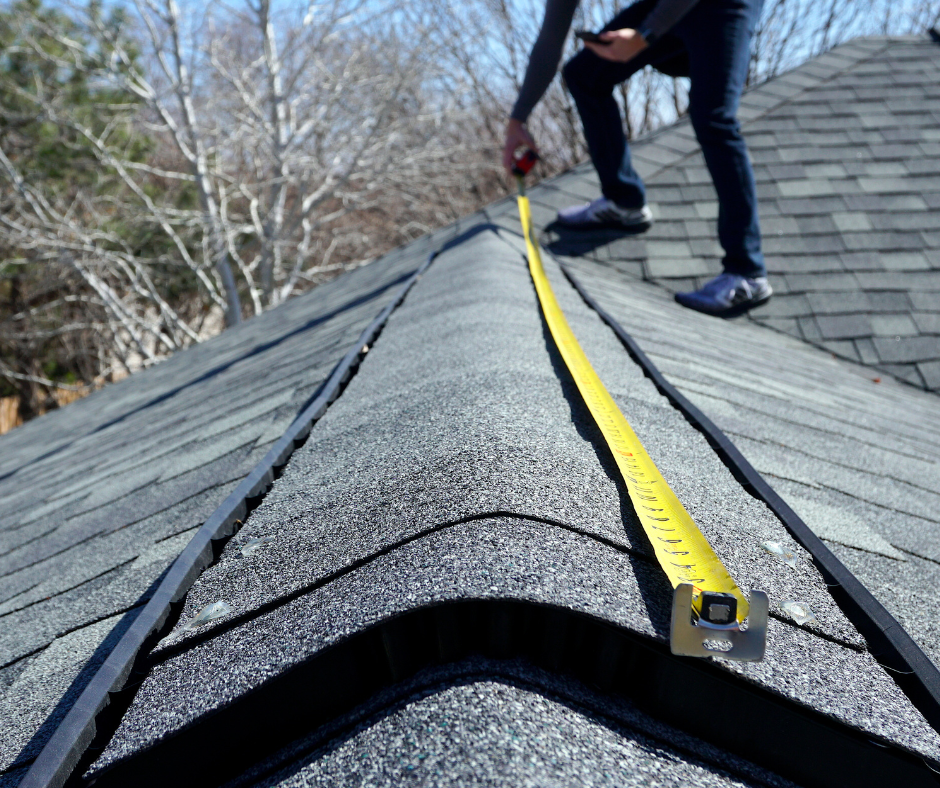
Your roof takes a beating from summer heat and storms, so fall is the ideal time to check for damage before winter weather arrives. Look for missing, cracked, or curling shingles, as well as any signs of granule loss in your gutters, which can indicate your roofing material is wearing down. Small issues caught now, like a lifted shingle or minor flashing damage, are far easier and less costly to address than problems that worsen under the weight of snow and ice.
If it’s been several years since your last professional inspection, or your roof is getting up there in age, a free roof health report can give you a clear picture of where things stand before winter arrives.
Clean and Check Your Gutters
Clogged gutters are one of the most common causes of fall and winter water damage. When leaves and debris block proper drainage, water can back up under your roofline, seep into your fascia, or freeze and expand in ways that damage the gutter system itself.
Beyond a basic cleaning, check that gutters are securely attached and properly pitched to direct water away from your foundation. If you’re tired of the twice-a-year cleanout, gutter guards are worth considering to cut down on maintenance going forward.
Examine Your Siding
Fall is a good time to walk the perimeter of your home and look closely at your siding for cracks, warping, or loose panels. Small gaps in siding can let moisture in, which leads to bigger problems like rot or mold once winter moisture and freezing temperatures set in.
This is also a good opportunity to check caulking around windows, doors, and any areas where siding meets trim, since gaps here are a common source of drafts and water intrusion. If your siding is showing its age or you’re noticing recurring issues, our James Hardie and vinyl siding options offer long-term durability built for Indiana weather.
Check Windows and Doors for Drafts
Drafty windows and doors don’t just make your home less comfortable; they also drive up heating costs once temperatures drop. Run your hand along window and door frames on a breezy day to feel for air leaks, and check that weatherstripping is intact and properly sealed.
If you’re feeling consistent drafts despite proper sealing, it may be a sign that your windows or doors have reached the end of their efficient lifespan and are due for replacement.
Inspect Exterior Paint and Trim
Peeling, cracking, or fading exterior paint isn’t just a cosmetic issue. It’s often a sign that the protective barrier between your home and the elements is breaking down. Fall is a good window to address touch-ups before winter moisture has a chance to get into exposed wood or siding seams.
If large sections of your home’s exterior need attention, our exterior painting team can help refresh your home’s look while adding a protective layer before winter.
Add Attic Insulation
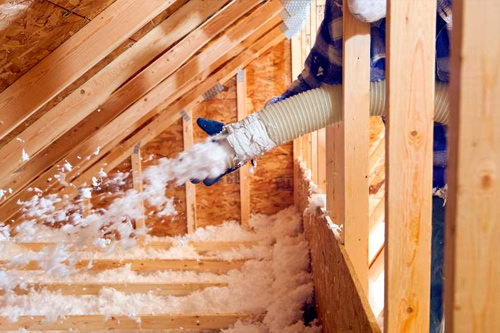
Proper attic insulation plays a bigger role in winter readiness than most homeowners realize. Insufficient insulation allows heat to escape through your roof, which not only raises energy bills but can also contribute to ice dam formation as warm air melts snow that then refreezes at your roof’s edge.
If you’ve noticed uneven heating, high energy bills, or ice dams in past winters, attic insulation is one of the most cost-effective upgrades you can make before the season changes.
Check Concrete Surfaces
Driveways, walkways, and patios can develop cracks over the summer that worsen significantly once freeze-thaw cycles begin in winter. Water that seeps into small cracks expands when it freezes, turning minor damage into much bigger repairs by spring.
Addressing cracked or uneven concrete now, whether through repair or replacement, helps you avoid a bigger, more expensive project once winter has had its way with existing damage.
Why Fall Maintenance Matters
Every item on this list shares a common theme: small issues left unaddressed in fall tend to become much larger, more expensive problems by the time spring arrives. Freeze-thaw cycles, ice, and winter moisture all have a way of exploiting weaknesses that were manageable in October but costly in February.
Frequently Asked Questions
How often should I inspect my roof?
Most homeowners benefit from a professional roof inspection at least once a year, ideally in fall before winter weather arrives.
What’s the biggest cause of winter exterior damage?
Water intrusion, whether from clogged gutters, cracked siding, or damaged roofing, is one of the most common causes of winter damage since freezing temperatures cause trapped moisture to expand.
Is it too late to do exterior maintenance once the weather turns cold?
Some tasks, like painting, need to happen before temperatures drop too low, while others, like insulation and gutter guards, can be installed later in the season. Booking your inspection sooner rather than later gives you the most flexibility.
Ready to get your home winter-ready? Book your free inspection with Myers Exteriors today and take care of any fall maintenance needs before the cold weather sets in.