Roof Repair vs. Replacement: Which One Do You Need?
 Michael Myers
- Roofing
- February 3, 2025
Your roof is one of the most critical components of your home, protecting you from the elements and ensuring your comfort. Over time, however, it can suffer from wear and tear, leading to the inevitable question: Should you repair or replace your roof? The answer depends on several factors, including the extent of damage, age of the roof, and your budget. Let’s break down the key considerations to help you make the best decision.
Signs You Need a Roof Repair
Sometimes, a roof problem can be resolved with a simple repair rather than a full replacement. Here are common signs that a repair might be sufficient:
1. Minor Leaks
If you notice a small leak in your ceiling or attic, it could be due to a few damaged shingles or minor flashing issues. In such cases, a targeted repair can fix the problem before it worsens.
2. Isolated Shingle Damage
Missing, cracked, or curled shingles in a small area can often be replaced without needing to redo the entire roof. If most of your roof is still in good shape, spot repairs can be a cost-effective solution.
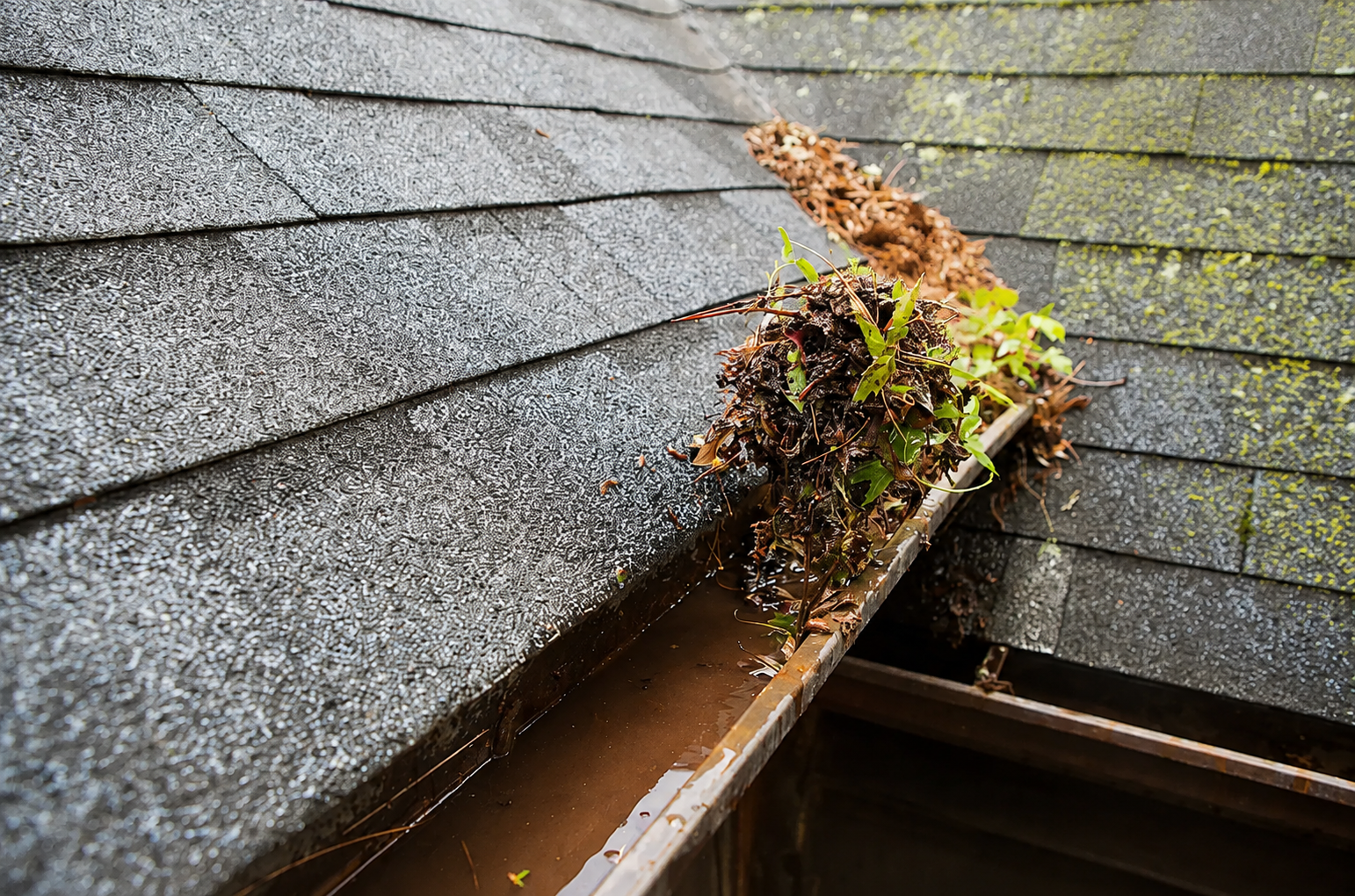
3. Moss or Algae Growth
While moss and algae may look concerning, they don’t necessarily mean you need a new roof. A thorough cleaning and treatment can restore your roof’s appearance and functionality.
4. Flashing Issues
Flashing around chimneys, vents, and skylights can deteriorate over time, leading to leaks. Replacing or repairing the flashing can prevent water damage without requiring a full roof replacement. 
Signs You Need a Roof Replacement
While repairs can solve minor issues, there are situations where a complete roof replacement is the better option:
1. Roof Age
Most asphalt shingle roofs last between 20-30 years. If your roof is nearing the end of its lifespan and experiencing multiple issues, replacement is a smarter long-term investment.
2. Widespread Damage
If your roof has significant damage, such as widespread missing or curling shingles, sagging, or large leaks, repairs might be a temporary fix. A new roof will provide better protection and efficiency.
3. Frequent Repairs
Are you constantly patching up your roof? If repairs are becoming too frequent and costly, replacing the entire roof can save you money in the long run.
4. Structural Issues
A sagging roof or major water damage inside your home may indicate underlying structural problems. In such cases, a replacement is necessary to ensure the safety and stability of your home.
Cost Considerations
- Roof Repairs: Generally cost between $150 – $1,500, depending on the damage and materials needed.
- Roof Replacement: This can range from $5,000 – $15,000 or more, based on the roof size, materials used, and labor costs.
While repairs are more affordable upfront, a new roof offers long-term benefits, including increased energy efficiency, improved curb appeal, and a higher property value.
Conclusion: Repair or Replace?
- If your roof has minor, localized damage and is relatively young, a repair is likely the best option.
- If your roof is older, has widespread issues, or requires frequent repairs, a replacement may be necessary.
Still unsure about the best course of action? Contact a professional roofing contractor for an inspection. They can provide expert advice based on your roof’s condition and help you make the best decision for your home. Need roofing assistance? Reach out to our team today for a free consultation!